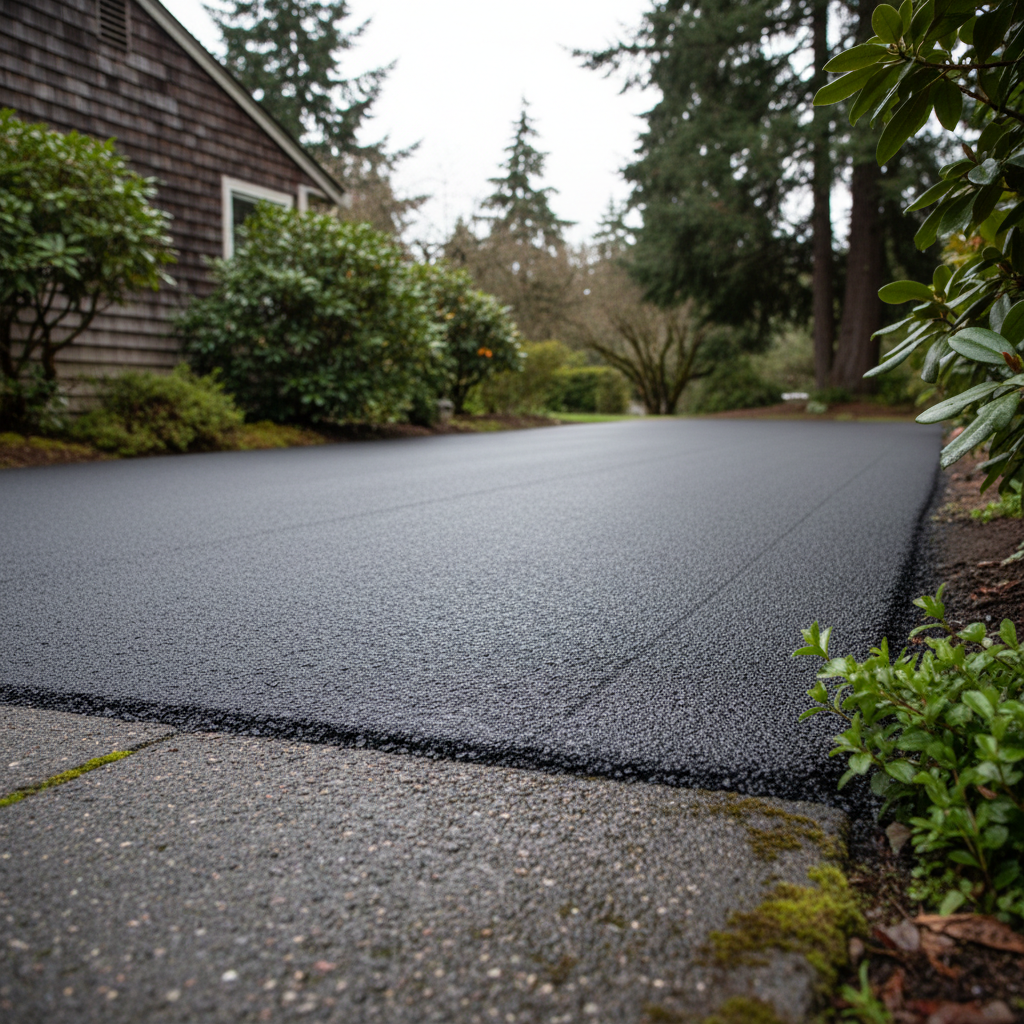
Alright, let's talk about residential asphalt. Maybe you're thinking about a new driveway, or perhaps your old one is just looking a little tired around the edges. It's a pretty big investment, so naturally, you want to get it right. So, what exactly do you need to know *before* you even pick up the phone, what happens when the crew actually starts working, and what should you be doing once it's all laid down?
Before You Start: Planning & Prep
This is the stage where most homeowners can really save themselves a ton of grief — and money. Don't just jump into getting quotes without understanding a few key things first. Honestly, the biggest mistake I see people make is not knowing what they actually need or even what they really want.
- Know Your Goals: Are you replacing an old, crumbling driveway? Maybe you're adding a new parking pad? Or just doing some patching? Be super clear about the scope. A full tear-out and replace job is a completely different beast than, say, a simple overlay.
- Understand Your Drainage: This is absolutely critical, especially here in Seattle with all our rain. You really, truly need proper drainage. Water pooling on your asphalt will destroy it faster than anything else out there. Think about where the water goes now, and where you want it to go once the new asphalt is in place. Sometimes, this means adding a French drain or adjusting the grades. A good contractor will definitely bring this up, but it's smart for you to think about it too.
- Subgrade is King: I honestly can't stress this enough. The asphalt itself? That's just the top layer. What's underneath — the subgrade and base layers — that's what truly determines how long your driveway will last. If you've got soft, clay-heavy soil, like we often find in parts of West Seattle or Beacon Hill, you might need extra excavation and a thicker, more robust base. Don't let anyone skimp on this part. You're essentially building on dirt, so that dirt has to be stable.
- DIY vs. Pro: For anything beyond a small pothole repair, you're calling a pro. Laying a new asphalt driveway is not a weekend warrior project, believe me. It needs heavy equipment, specialized knowledge, and proper compaction. You might be able to handle clearing brush or marking out utility lines, but leave the actual paving to the experts.
- Get Multiple Bids: Always get at least three bids. But here's the thing: don't just go with the cheapest one. Look for contractors who ask a lot of questions, explain their process clearly, and seem genuinely interested in your specific project. Check their references, and make sure they're licensed and insured.
During the Project: What to Expect
Once you've picked your contractor and scheduled the work, here's a general idea of what's going to happen. It's usually a multi-day process, depending on how big the job is.
- Demolition & Excavation: If you're replacing an existing driveway, they'll tear out the old stuff. Then, they'll dig down to the right depth for your new subgrade and base. This can get pretty noisy and dusty, so just be ready for that.
- Subgrade Prep: They'll grade and compact the soil underneath. This is where they make sure there's a proper slope for drainage. If there are any soft spots, they'll probably remove that material and replace it with stable fill.
- Base Layer Installation: This is usually crushed aggregate, like gravel. It's laid down in layers, watered, and then compacted heavily. This base is what gives your asphalt its structural support. It absolutely has to be solid.
- Binder Layer (sometimes): For thicker driveways, they might put down a binder layer first. This is a coarser asphalt mix that just adds more strength.
- Asphalt Surface Layer: This is the final layer you actually see. It's a finer mix, designed to be smooth and durable. They lay it hot, typically between 250-325 degrees Fahrenheit, and then compact it with heavy rollers. This is where the magic happens, turning that loose hot mix into a smooth, solid surface.
- Compaction: Proper compaction? It's absolutely crucial. The denser the asphalt, the stronger and more durable it will be. You'll see rollers going over the surface many, many times.
During all this, you'll likely need to keep vehicles off the area. Your contractor should give you clear instructions on access and safety. It's a busy site, so please keep kids and pets away from the work zone.
After the Project: Care & Maintenance
Okay, the new asphalt is down, and it looks great. Now what? Your job isn't quite over. Proper care in those first few weeks and ongoing maintenance will significantly extend its life, no doubt about it.
- Curing Time: Don't drive on it immediately! Your contractor will tell you exactly how long to wait, but it's usually 2-7 days, depending on the weather and the mix they used. The asphalt needs to cure and harden. Turning your wheels sharply on a soft, new driveway can leave permanent marks, and nobody wants that.
- Avoid Heavy Loads: For the first few months, try to avoid parking heavy RVs or trailers on it for too long. Also, things like motorcycle kickstands, sharp objects, or even high heels can leave indentations in new asphalt. Be gentle with it.
- Sealcoating: This is a big one. About 6-12 months after installation, you'll want to sealcoat your new driveway. This protects it from UV rays, water getting in, and chemicals like oil and gas. After that first coat, a good rule of thumb is to reseal every 2-3 years, depending on how much traffic it gets and the weather. It's a relatively inexpensive way to protect your investment. Summit Asphalt Solutions does a lot of this work, and we can tell you it makes a huge difference.
- Cleaning: Keep your driveway clean. Sweep off leaves and debris regularly. If you spill oil or gas, clean it up quickly. Don't let weeds grow through cracks; pull them out or use a weed killer.
- Crack Sealing: As your asphalt gets older, small cracks will inevitably show up. Seal them as soon as you notice them. Water getting into cracks is the main reason potholes and bigger damage happen. You can buy crack filler at hardware stores for small ones, but larger, deeper cracks might need a professional touch.
- Drainage Checks: Periodically check your drainage. Make sure gutters aren't overflowing onto the driveway, and that any drains or swales are clear of debris.
Look, a new asphalt driveway isn't a set-it-and-forget-it thing. But with a little planning upfront and some consistent care afterward, you'll have a beautiful, functional surface that lasts for decades. It's all about protecting that initial investment, isn't it?