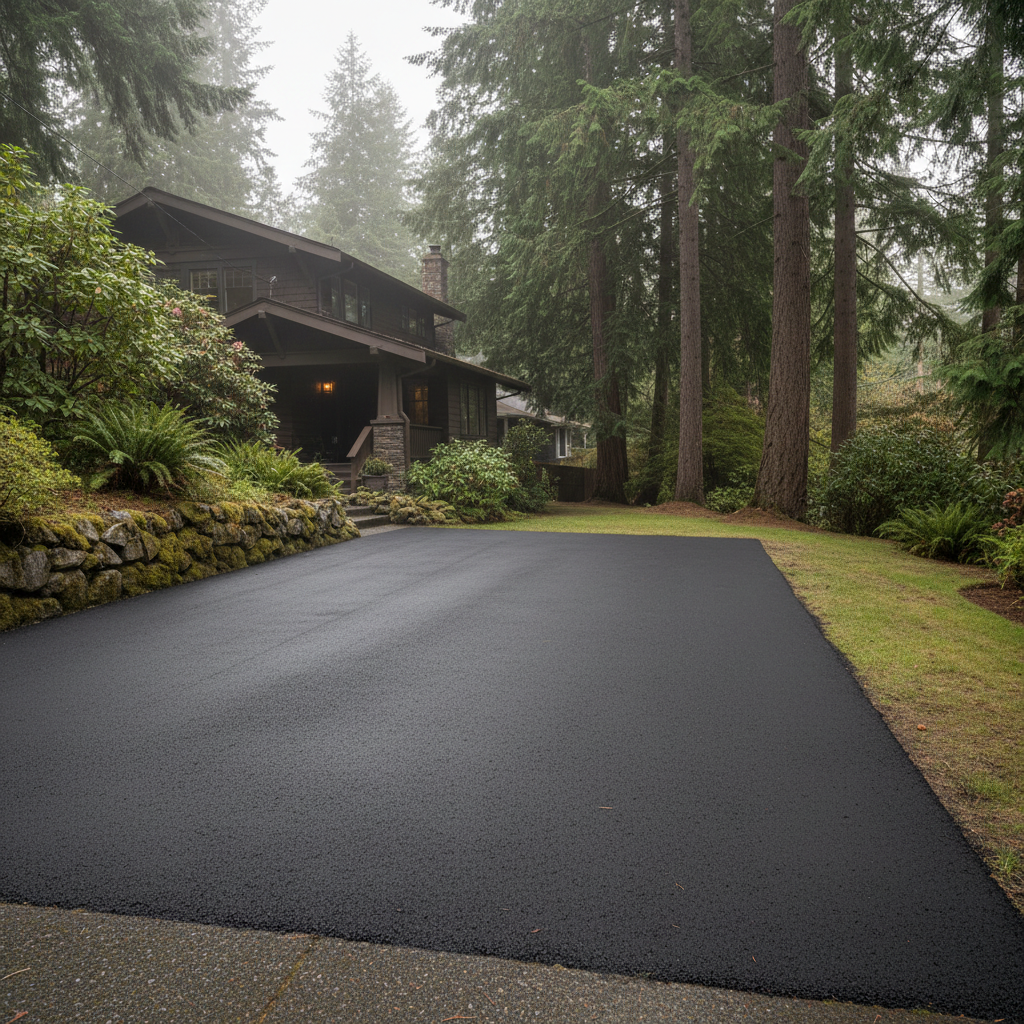
So, you've just had your asphalt repaired. Maybe it was a pothole that opened up after a particularly wet winter, or some cracks that were starting to spiderweb across your driveway. Whatever the fix, you've spent good money getting it done right. Now, the real question is, how do you make that repair last?
It's not just about the quality of the initial work – though that's huge, and something we pride ourselves on at Summit Asphalt Solutions. It's also about what you do *after* we've packed up our gear. Think of it like getting a new roof; you don't just forget about it until it leaks again. Asphalt needs a little love too, especially here in Seattle where the weather can be, let's just say, 'character-building' for pavement.
Extending the Life of Your Asphalt Repairs
First off, let's be clear: no asphalt repair is truly permanent. It's a patch, a fix, designed to extend the life of your existing surface. But you can absolutely get the most out of it. The biggest thing I tell folks is to manage drainage. Water is asphalt's number one enemy, and we get plenty of it around here. If water is pooling on or near your repaired area, it's going to find its way underneath and start eroding the base layer. That's a recipe for disaster, turning a small repair into a bigger problem down the line.
Keep an eye on any downspouts or irrigation that might be dumping water directly onto your asphalt. Redirect that flow if you can. Also, avoid heavy loads on newly repaired areas for a bit. We'll always give you specific instructions, but generally, give it a few days to fully cure before you're parking your RV or a heavy work truck right on top of it.
Regular Maintenance: Your Pavement's Best Friend
Regular maintenance isn't just for brand-new asphalt; it's crucial for repaired sections too. Here's what you should be doing:
- Keep it Clean: Sweep off debris, leaves, and dirt regularly. Organic matter holds moisture against the surface, which, again, is bad news. Plus, grit can act like sandpaper under tires, slowly wearing down the surface.
- Sealcoating: This is a big one. For existing asphalt, a good sealcoat every 2-3 years is like sunscreen and a moisturizer for your skin. It protects against UV rays, water penetration, and oxidation. If you've had repairs done, sealcoating over them helps blend the repair with the surrounding pavement and adds an extra layer of protection. It's especially important in places like West Seattle where you might have a lot of tree cover, leading to more moisture and moss buildup.
- Address Small Issues Quickly: Don't let a tiny crack turn into a major pothole. If you see new hairline cracks forming around an old repair, or even in other areas, get them filled. It's always cheaper and easier to deal with small problems than big ones.
Warning Signs You Shouldn't Ignore
Your asphalt will tell you when it's hurting, if you know what to look for. Here are some red flags:
- New Cracks: Especially alligator cracking (a series of interconnected cracks resembling alligator skin) around or near a repaired area. This usually means the base layer underneath is failing.
- Potholes Reforming: If a pothole you had fixed starts to reappear, or new ones pop up nearby, it's a sign of deeper issues.
- Depressions or Sinking Areas: Any spot where the asphalt is noticeably lower than the surrounding surface indicates a problem with the sub-base, often due to water erosion.
- Water Pooling: If water consistently sits on your asphalt for more than a few hours after a rain, you've got a drainage issue that needs attention.
- Fading or Discoloration: While not immediately structural, significant fading means the asphalt is oxidizing and losing its flexibility, making it more prone to cracking.
When to Call a Professional
Look, I'm a firm believer in DIY when it makes sense, but some things are best left to the pros. When it comes to asphalt, you should definitely call us (or another reputable contractor) if:
- You see any of those major warning signs I just mentioned. These aren't minor fixes anymore.
- You're considering sealcoating. It's a precise job that requires the right materials and application techniques to be effective.
- You're unsure about the extent of damage. Sometimes what looks like a small crack is actually a symptom of a much larger problem beneath the surface.
- You need new drainage solutions. We can assess your property and recommend the best way to divert water away from your pavement.
- You're just not comfortable doing it yourself. There's no shame in calling in the experts. That's what we're here for.
Ultimately, your asphalt is an investment. Taking a little time for regular checks and maintenance, especially with our Seattle rain, will save you a lot of money and headaches down the road. Keep an eye on it, address small issues, and don't hesitate to reach out if you're seeing something that worries you. We're always happy to give you an honest assessment.