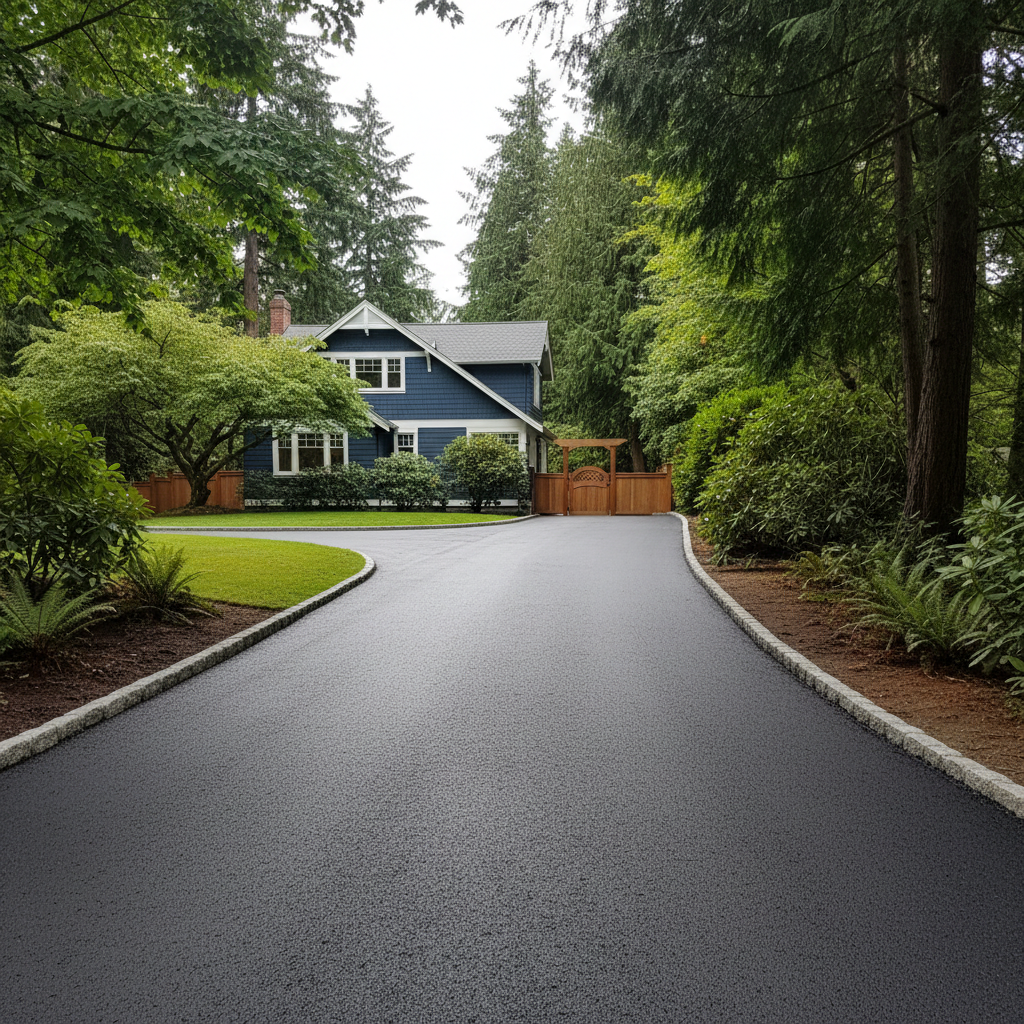
You just invested in a new driveway, or maybe you've had one for years and want to make sure it sticks around. Good on you. A well-maintained driveway isn't just about curb appeal; it's about protecting your investment and avoiding bigger headaches down the road. Especially here in Seattle, where our weather can be pretty tough on asphalt, a little proactive care goes a long way.
Extending Your Driveway's Life: It's All About Prevention
Think of your driveway like a good pair of boots. You wouldn't just trudge through puddles and mud without cleaning and conditioning them, right? Same goes for asphalt. The biggest enemy to your driveway, besides heavy loads, is water. Our constant Seattle drizzle, followed by those occasional freezing nights, can really do a number on it if you're not careful.
- Sealcoating is Key: I can't stress this enough. A good sealcoat every 2-3 years, depending on traffic and sun exposure, is your driveway's best friend. It's like sunscreen and a waterproof barrier all in one. It protects the asphalt from UV rays, which dry it out and make it brittle, and it seals off those tiny surface cracks before water can get in and wreak havoc.
- Drainage Matters: Make sure water isn't pooling on your driveway. If you've got low spots where puddles form after a rain, that's a problem. Water sitting on asphalt will eventually penetrate, especially if the sealcoat is worn. Good drainage around your driveway, directing water away from the surface, is crucial.
- Watch the Weight: Heavy trucks, RVs, or even just constantly parking a really big vehicle in the same spot can put a lot of stress on your asphalt. If you're having a moving truck or a delivery truck come by, ask them to park on the street if possible.
- Clean Up Spills: Oil, gas, and other automotive fluids are no good for asphalt. They break down the binders that hold the pavement together. Clean up any spills quickly with an absorbent material. Don't let them sit.
Regular Maintenance: Simple Steps, Big Impact
This isn't rocket science, folks. A few simple habits can save you thousands in repairs.
- Sweep Regularly: Get rid of dirt, leaves, and debris. This prevents organic matter from breaking down on the surface and also helps you spot small issues before they become big ones.
- Edge Control: Keep grass and weeds from growing into the edges of your driveway. Roots can push up and crack the asphalt. A little weed whacking or edging goes a long way.
- Fill Small Cracks Promptly: This is probably the most important maintenance task you can do yourself. If you see a crack, even a small one, fill it. Water gets into cracks, freezes, expands, and then you've got a pothole. You can buy asphalt crack filler at any hardware store. Just make sure the crack is clean and dry before you apply it.
Warning Signs: When to Pay Closer Attention
Your driveway will talk to you if you know what to look for. Don't ignore these signals.
- Hairline Cracks Everywhere (Alligator Cracking): This looks like a series of interconnected cracks, much like an alligator's skin. It's a sign that the asphalt is failing due to age, heavy loads, or water damage underneath. If you see this, you're past the simple crack-filling stage.
- Potholes: Obvious, right? But a pothole isn't just a surface problem. It means water got underneath and eroded the base layer. You need to address the cause, not just fill the hole.
- Fading and Discoloration: If your asphalt is looking gray instead of black, it means the surface has oxidized. It's losing its flexibility and becoming brittle. This is a clear sign you're overdue for sealcoating.
- Standing Water: As I mentioned, pooling water is a red flag. It indicates a drainage issue or a settlement problem with your base.
- Heaving or Sinking: If parts of your driveway are noticeably higher or lower than others, especially near your garage or the street, you've got a serious base problem. This is common in areas with soft, clay-like soil, like some of our older neighborhoods around Seattle.
When to Call a Professional: Don't DIY Everything
Look, I'm all for saving a buck, but there are times when you need to bring in the pros. Trying to fix a major issue yourself can often make it worse or lead to a short-term patch that fails quickly.
- Extensive Alligator Cracking: If more than 25% of your driveway has this, it's time for an overlay or even a full replacement.
- Large Potholes or Multiple Potholes: A single small pothole, sure, you can patch it. But if you're getting several, or they're big, you likely have a sub-base issue that needs professional assessment and repair.
- Significant Heaving or Sinking: This almost always means there's a problem with the underlying base or subgrade, which requires excavation and proper compaction. You can't just pour more asphalt on top of that.
- Drainage Issues: If water is consistently pooling or running towards your house, you need an expert to assess the grading and potentially install new drainage solutions.
- When You're Overwhelmed: If you're looking at your driveway and just feel like it's too much to handle, call us. We're Summit Asphalt Solutions, and we deal with this stuff every day. We can give you an honest assessment and a plan to get your driveway back in shape. Sometimes, a small repair now can prevent a much larger, more expensive one later. Don't wait until it's too late.