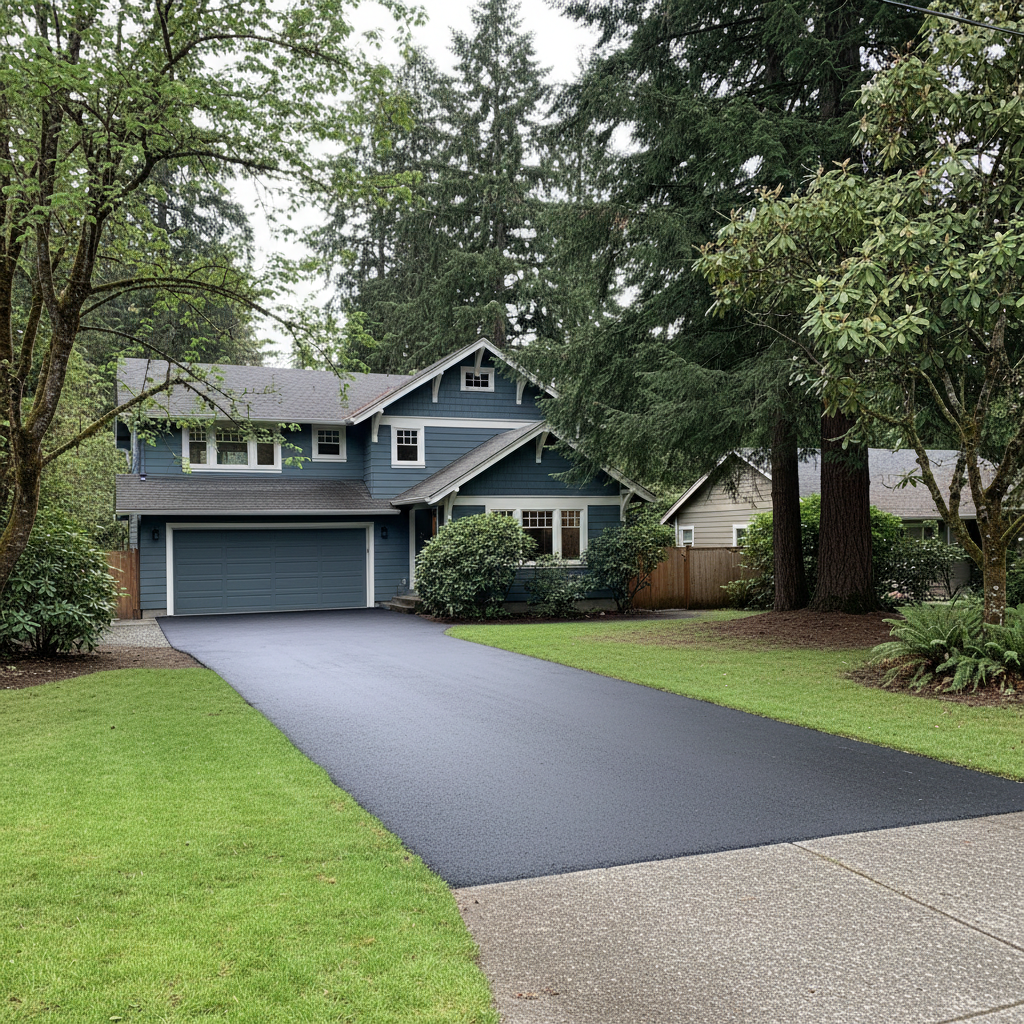
So, you're looking to pave a new driveway or replace an old, cracked one. Good call. A solid driveway isn't just about curb appeal; it's about protecting your vehicles, preventing trip hazards, and frankly, making your life easier. But what's it actually going to cost you here in Seattle?
I get this question all the time, and while every job is a little different, I can give you some real numbers and tell you what factors really swing the price. Don't let anyone tell you it's 'just depends' without giving you some specifics. That's not how we operate at Summit Asphalt Solutions.
What Drives Driveway Paving Costs?
A few big things dictate the final price tag. Understanding these will help you make sense of any quote you get.
- Size, obviously: Bigger driveway, more material, more labor, more cost. This is the most straightforward factor.
- Existing Driveway Removal: If you've got an old concrete or asphalt driveway that needs to go, that's a significant part of the job. We're talking heavy equipment, disposal fees, and extra labor. Expect to pay anywhere from $2 to $6 per square foot just for removal and hauling, depending on the material and thickness. Concrete is usually on the higher end of that.
- Site Preparation & Grading: This is crucial. You can't just lay asphalt on uneven ground. We need a solid, well-drained base. Sometimes that means bringing in gravel, compacting the subgrade, or doing some serious earthmoving. Poor drainage can lead to premature cracking and potholes, especially with all the rain we get here in Seattle. If your yard needs a lot of grading or has poor soil conditions – like the clay we often find in areas like West Seattle or Beacon Hill – that's going to add to the prep work.
- Asphalt Thickness: Most residential driveways get 2-3 inches of compacted asphalt on top of a good gravel base. A thicker layer (say, 4 inches for heavier vehicles or high traffic) will cost more per square foot.
- Accessibility: Is your driveway easy to get to with heavy equipment? Or is it tucked away down a narrow alley or steep hill? Tricky access can increase labor time and equipment costs.
- Drainage Solutions: Sometimes, just grading isn't enough. You might need culverts, catch basins, or trench drains to properly manage water runoff. These are extra costs but are vital for the longevity of your driveway.
- Permits: Depending on the scope of work and local regulations, you might need a permit from the city. Your contractor should handle this, but the cost will be passed on to you.
Typical Cost Ranges in Seattle, WA
Alright, let's talk numbers. For a standard asphalt driveway, you're generally looking at:
- New Asphalt Driveway (no old removal): If your site is already prepped and ready for asphalt, you might pay $4 to $8 per square foot. This is for laying the asphalt, compacting it, and basic finishing.
- Full Replacement (removal + new asphalt): This is the most common scenario. For removing an old driveway, prepping the subgrade, adding a gravel base, and laying 2-3 inches of new asphalt, expect to pay between $7 to $15 per square foot.
Let's put that into perspective. A typical two-car driveway is about 400-600 square feet. So, for a full replacement:
- Small Driveway (400 sq ft): $2,800 to $6,000
- Medium Driveway (600 sq ft): $4,200 to $9,000
- Larger Driveway (800 sq ft): $5,600 to $12,000
These are general ranges. If you've got a really complex job, extensive drainage needs, or a super steep grade, it could push towards the higher end or even a bit beyond. On the flip side, a very simple, flat, easy-access job might come in lower.
What Should Be Included in Your Quote?
When you get a quote from us or any other reputable contractor, it should be detailed. Don't accept a one-liner. Here's what you should expect to see:
- Demolition: Clear mention of removing existing material (asphalt, concrete, gravel) and disposal fees.
- Excavation & Grading: Details on preparing the subgrade, ensuring proper slope for drainage.
- Base Material: Type and thickness of the gravel or crushed rock base (e.g., 6 inches of compacted crushed aggregate).
- Asphalt Layer: Specifies the thickness of the asphalt layer (e.g., 2.5 inches of compacted hot mix asphalt).
- Compaction: Ensures the asphalt will be properly compacted for durability.
- Edge Restraints: How the edges will be finished to prevent crumbling.
- Cleanup: What they'll do to leave your property tidy.
- Warranty: A clear statement of the warranty on materials and workmanship.
A good quote won't just list a price; it'll explain what they're doing for that price. If it's vague, ask questions. If they can't give you clear answers, that's a red flag.
How to Avoid Overpaying (and Under-Quality)
You want a good job that lasts, but you don't want to get ripped off. Here's my advice:
- Get Multiple Bids: Three bids is usually a good number. It helps you compare not just prices, but also the scope of work and how contractors communicate.
- Check References & Reviews: Don't just take their word for it. Look at online reviews, ask for local references, and even drive by some of their completed projects if possible.
- Ask About Experience: How long have they been paving in Seattle? Do they understand our specific weather challenges and soil conditions?
- Don't Go for the Cheapest Bid Automatically: The lowest price often means corners are being cut. Maybe they're using less base material, thinner asphalt, or less experienced crews. A driveway is a big investment; you want it done right the first time.
- Understand the Warranty: A good contractor will stand behind their work. Ask about their warranty period and what it covers.
- Ask About Insurance: Make sure they're fully licensed and insured. You don't want to be liable if someone gets hurt on your property.
Your driveway is a big part of your home's infrastructure. Don't rush into it. Do your homework, ask the right questions, and choose a contractor you trust. If you're in the Seattle area and need a quote or just want to talk through your options, give us a call at Summit Asphalt Solutions. We're always happy to help.