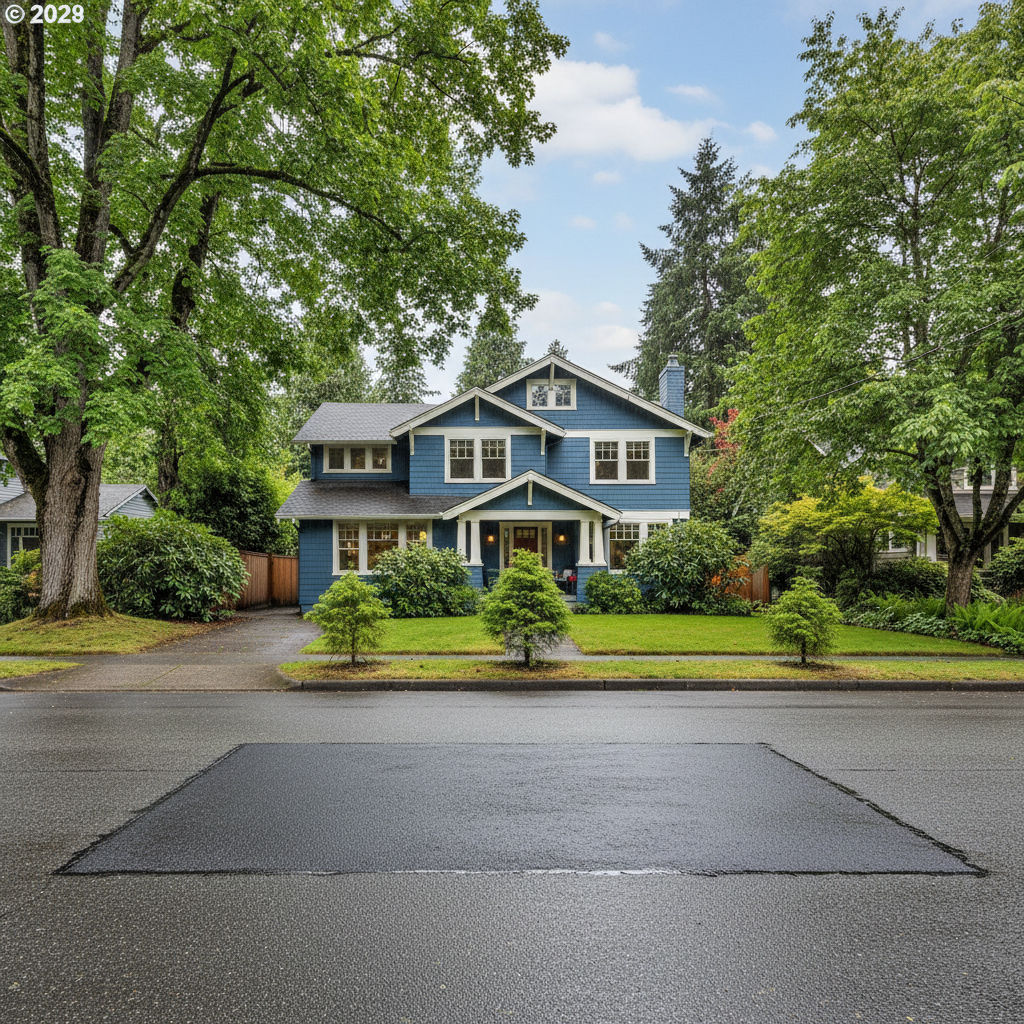
You've seen them, right? Those ugly cracks, the crumbling edges, the dreaded potholes that just seem to pop up overnight. Here in Seattle, our asphalt really takes a beating, and I'm not just talking about heavy traffic. Our weather patterns, especially those long, wet winters followed by a quick thaw? They're brutal on pavement.
Ignoring those small cracks or minor potholes might seem like no big deal, but trust me, it's a false economy. What starts as a little spiderweb crack can quickly turn into a massive, expensive problem. Water gets in, freezes, expands, and then thaws, leaving you with a much bigger headache. That's the classic freeze-thaw cycle, and it's particularly aggressive in places like the Puget Sound region where we get so much moisture.
Why Patching Isn't Just a Quick Fix
When I talk about asphalt patching, I'm not just talking about throwing some cold patch into a hole and calling it a day. That's a temporary band-aid at best. Proper patching means we're addressing the underlying issue and preventing further damage. It's about protecting your investment, whether that's a commercial parking lot in Ballard or a residential driveway up on Queen Anne Hill.
Think about it: a well-done patch means:
- Safety: No more tripping hazards for pedestrians or nasty surprises for vehicles. Potholes can cause tire damage, alignment issues, and even accidents, which nobody wants.
- Preventing further decay: Sealing up those cracks stops water from getting underneath the surface. That's the primary cause of pavement failure here, after all.
- Saving money long-term: A small patch now is way cheaper than a full-blown repave later. It's kind of like fixing a leaky faucet before it floods your kitchen.
- Curb Appeal: Let's be honest, a smooth, well-maintained surface just looks better. It reflects positively on your home or business.
Common Patching Scenarios I See Around Seattle
We handle all sorts of patching jobs, but there are a few common scenarios that constantly pop up around here:
- Utility Cuts: Seattle is always digging something up, isn't it? Whether it's the city working on water lines or a private contractor installing fiber, those utility cuts need to be properly reinstated. You can't just leave a rough patch; it needs to be level and durable.
- Potholes in Parking Lots: Commercial properties, especially those with high traffic like retail centers or apartment complexes, are always battling potholes. These need immediate attention to keep customers and tenants happy and safe.
- Driveway Edge Repair: I see a lot of driveways where the edges start to crumble, particularly where they meet the street or a lawn. This often happens from vehicles driving off the paved surface or from water erosion.
- Alligator Cracking: This is when the asphalt looks like alligator skin — a whole network of interconnected cracks. It usually means the base layer is failing, and while a patch can buy you time, it's a sign you might need a more extensive repair down the line.
Why Local Expertise Matters for Asphalt in Seattle
You might think asphalt is asphalt, no matter where you are. But that's just not true, especially in a place like Seattle. Our specific climate and even our soil conditions (hello, glacial till!) play a huge role in how pavement performs and how it needs to be repaired.
A company that's been working in this area, like Summit Asphalt Solutions, understands:
- Our Weather: We know exactly how our persistent rain and freeze-thaw cycles impact different types of asphalt, and what materials and techniques will hold up best.
- Local Regulations: There are specific requirements for utility cut repairs and other pavement work depending on whether you're in Seattle proper, Bellevue, or one of the surrounding communities. We're up to speed on all that.
- Material Selection: We know which asphalt mixes are best suited for our climate and traffic loads. Sometimes a simple hot mix patch is perfect; other times you need something more substantial.
- The Right Timing: You can't just patch in the middle of a downpour. Knowing the best times to perform repairs for optimal curing and longevity is critical.
Don't wait until a small crack turns into a crater. Getting those repairs done promptly and correctly by someone who knows Seattle pavement will save you a lot of grief and money in the long run. It's about smart maintenance, plain and simple.